


Key Takeaways
- Data Centers Power Everyday Tools: Data centers power the internet, cloud applications, streaming services, and artificial intelligence (AI) tools that millions of people use every day.
- Rapid AI Adoption Is Increasing Data Center Construction: Rapid AI adoption is driving unprecedented growth in data center construction and electricity demand across the United States.
- Utility Companies Are Trying to Meet Demand and Raising Energy Costs: Utility companies are investing heavily in new power plants, transmission lines, and grid infrastructure to meet this demand, and many of those costs are being passed to consumers through higher electric bills.
- Homeowners Can Combat These Rising Energy Costs: Homeowners can offset rising energy costs by upgrading to high-efficiency HVAC systems from ACiQ that use less electricity while maintaining year-round comfort.
Many homeowners have noticed their monthly electricity bills steadily increasing over the past few years. While inflation and changing energy markets play a role, another major factor is emerging behind the scenes: data centers.
As artificial intelligence, cloud computing, and digital services continue to expand, companies are building larger and more powerful data centers across the country. These facilities require enormous amounts of electricity to operate and cool thousands of servers 24 hours a day. As utilities work to meet growing demand, customers may ultimately face higher energy costs.
For HVAC contractors, this trend creates an important conversation with customers. As utility costs increase, homeowners are looking for practical ways to lower monthly energy expenses without sacrificing comfort.
The good news is that homeowners are not powerless against rising electric costs. Investing in a high-efficiency HVAC system can help reduce household energy consumption and keep utility costs under control as electricity prices continue to climb. Rising energy costs also create opportunities for contractors to help customers reduce monthly utility bills through high-efficiency system upgrades.
What Is a Data Center?
A data center is a facility that stores, processes, and distributes digital information. Every time you stream a movie, save files to the cloud, use social media, join a video meeting, or interact with an AI application, a data center is working behind the scenes to make it possible.
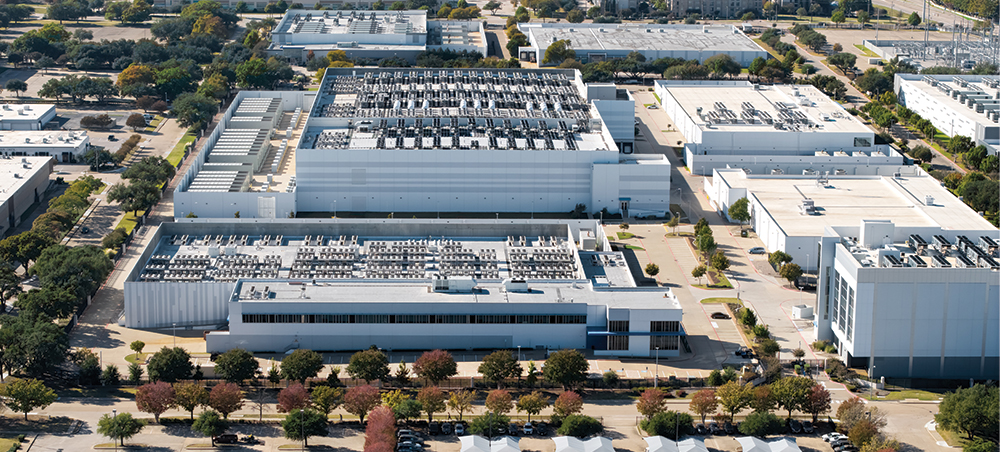
These facilities operate around the clock and require significant electrical power to run computing equipment and maintain safe operating temperatures.
What Types of Data Centers Are There?
Data centers are generally categorized by their purpose, ownership, scale, and location. The primary types include enterprise, colocation, cloud, and edge data centers.
- Enterprise Data Centers: Enterprise data centers are owned and operated by individual organizations to support their internal business operations and technology needs.
- Colocation Data Centers: Colocation facilities rent space, power, and network connectivity to multiple businesses, allowing organizations to avoid building their own infrastructure.
- Cloud Data Centers: Cloud data centers support platforms that provide computing resources, storage, and software services over the internet. Major cloud providers rely on large-scale facilities to deliver these services.
- Edge Data Centers: Edge data centers are smaller facilities located closer to users. They help reduce latency and improve performance for applications that require near-instant responses.
How is AI Impacting Data Center Growth?
The explosive growth of AI is changing the scale and energy requirements of modern data centers.
Increased Computing Requirements
AI applications require significantly more computing power than traditional digital workloads. According to Rewiring America, data centers currently planned or under construction could add approximately 93 gigawatts of electricity demand to the grid by 2029.
At the same time, total U.S. electricity demand is projected to grow by 128 gigawatts over the next five years, with AI-driven data center development serving as a primary driver.
Demand for High-Density Infrastructure
Modern AI workloads require advanced processors operating at extremely high densities. These systems consume more power and generate more heat than traditional computing equipment, increasing the need for sophisticated cooling systems and grid upgrades.
Future Expansion Trends
Industry forecasts indicate continued growth in data center construction as businesses invest heavily in AI and cloud technologies. Facilities are becoming larger, more powerful, and more energy intensive to support future demand.
Are Data Centers Adding to Rising Electrical Costs?
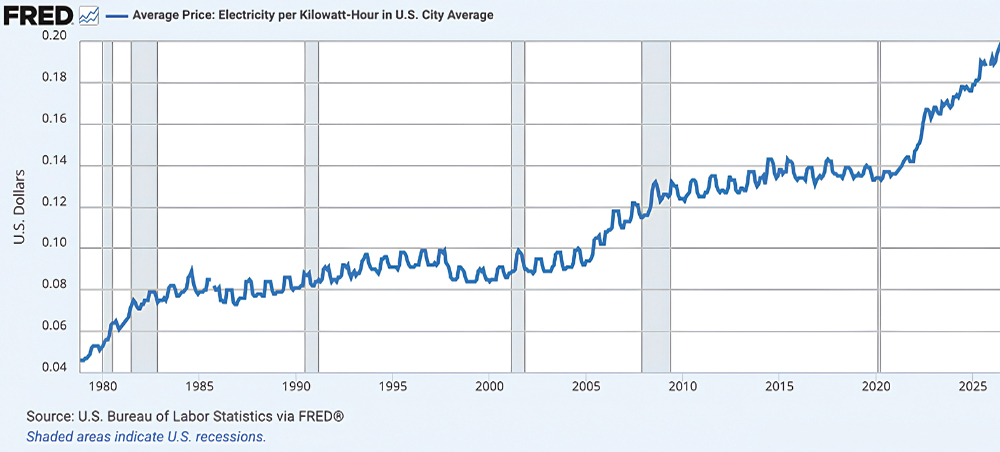
In many markets, the answer is increasingly yes.
According to the Environmental and Energy Study Institute (EESI), utilities received requests for at least 700 gigawatts of data center power connections in 2025. These requests are driving investments in generation facilities, transmission infrastructure, transformers, and other grid improvements.

To recover these infrastructure costs, utilities frequently seek rate increases that can affect residential consumers. In the first half of 2025 alone, utilities requested more than $29 billion in rate increases nationwide.
As a result, many homeowners may see higher electricity bills even if their household energy usage remains relatively unchanged. Contractors who offer high-efficiency ACiQ systems can offer a potential solution to address the concern of rising costs.
How are Data Centers Impacting the Power Grid?
Data centers place significant demands on the electrical grid because they operate continuously, unlike many commercial or residential buildings that experience periods of reduced energy usage.
To accommodate growing demand, utilities often need to:
- Build new power generation facilities
- Expand transmission infrastructure
- Upgrade substations and transformers
- Enhance grid reliability systems
These investments improve grid capacity, but they can also increase the costs utility companies seek to recover from customers.
How Can You Combat Rising Electrical Costs?
While homeowners cannot control utility rates, they can control how efficiently their homes use energy.
Heating and cooling account for a significant portion of household energy consumption. Upgrading older HVAC equipment with modern, high-efficiency technology can reduce electricity usage and help offset rising utility costs.
Why ACiQ Heating and Cooling Matters Most
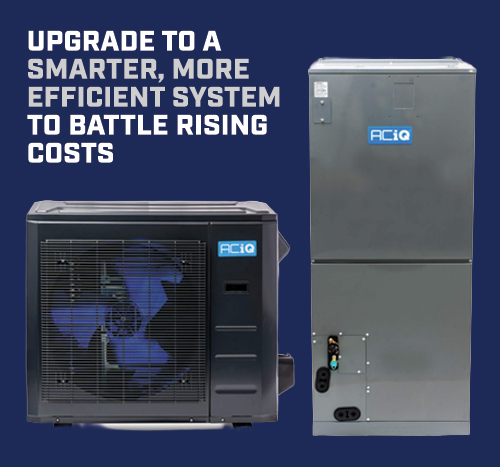
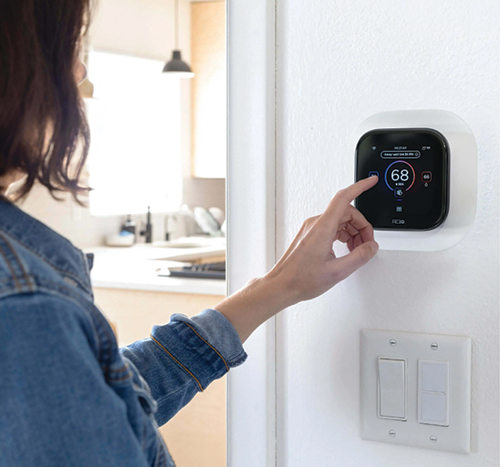
Heating and cooling typically represent one of the largest sources of household energy consumption. As utility rates rise, older HVAC systems become even more expensive to operate. Upgrading to a high-efficiency heat pump or inverter-driven system can significantly reduce energy usage compared to aging equipment.
High-Efficiency HVAC Systems from ACiQ to Fight Rising Electrical Costs
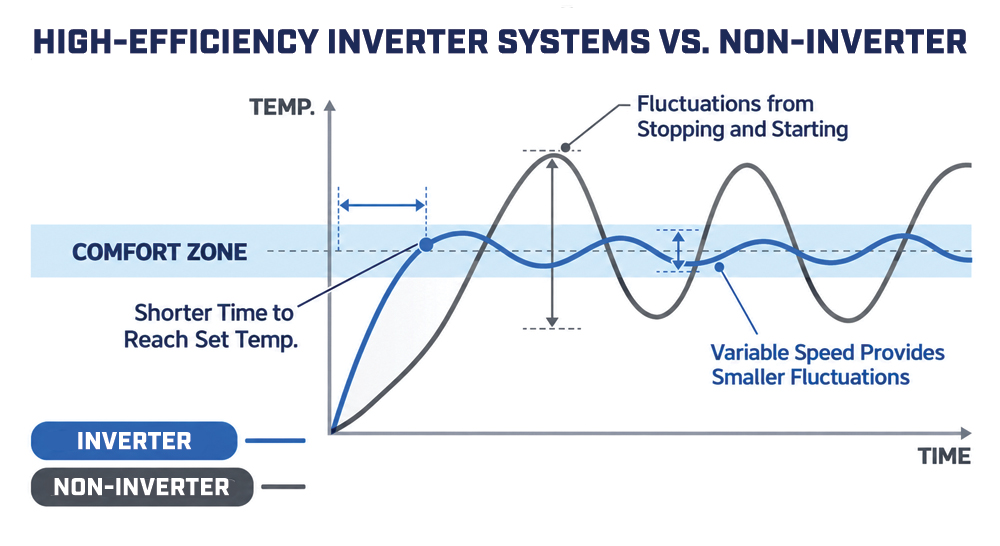
ACiQ designs high-efficiency heating and cooling solutions that help homeowners improve comfort while reducing energy consumption. Many ACiQ heat pump systems utilize advanced inverter technology that automatically adjusts output based on demand instead of operating at full capacity all the time.
Some benefits of ACiQ high-efficiency systems include:
- Variable-speed inverter technology helps homeowners use less energy while maintaining consistent indoor temperatures, making it easier to manage rising utility expenses.
- High SEER2 ratings can help reduce cooling costs throughout the year, making the upgrade increasingly valuable as electricity rates continue to rise.
- Consistent indoor temperatures with fewer energy-wasting start-and-stop cycles to reduce energy waste.
- Advanced heat pump technology capable of delivering year-round heating and cooling to keep customers comfortable all year.
As electricity becomes more expensive, every kilowatt-hour saved matters. An efficient HVAC system can help homeowners reduce the impact of rising utility rates without sacrificing comfort.
ACiQ’s focus on advanced inverter technology, high-efficiency heat pumps, and dependable product availability gives contractors solutions they can confidently recommend when homeowners are looking for long-term energy savings.
Data centers have become essential to modern life, powering everything from cloud computing and video streaming to the rapidly expanding world of artificial intelligence. However, the massive energy requirements needed to support this growth are increasing pressure on the electrical grid and contributing to rising energy costs across many parts of the country.

While homeowners cannot stop utility rates from rising, they can improve how efficiently their homes use energy. Upgrading to a high-efficiency ACiQ HVAC system can help reduce electricity consumption, lower monthly energy bills, and provide reliable comfort year-round. As data center growth continues to drive electricity demand, upgrading to a high-efficiency ACiQ system can help homeowners take control of their energy usage and reduce monthly utility costs. Explore ACiQ’s high-efficiency heating and cooling solutions.
Related Articles
Prepare for HVAC Freight Delays with Limited Time ACiQ Special Pricing on Qualifying Stocking Orders
Ongoing HVAC freight delays can make equipment delivery times harder to predict. Learn how stocking frequently installed ACiQ systems and taking advantage of special pricing on qualifying orders over $10,000 can help protect installation schedules, reduce last-minute shipping risks, and prepare your business for upcoming demand.

HVAC Upselling Opportunities for ACiQ Dealers
Learn how HVAC upselling opportunities can increase your profit without more jobs. Discover proven strategies to upsell ACiQ high-efficiency systems, smart technology, and add-ons that improve customer satisfaction while maximizing revenue on every install.

HVAC Equipment Cost Comparison: Save Money with ACiQ vs Big HVAC Brands
See how an HVAC equipment cost comparison between ACiQ and big HVAC brands helps contractors reduce costs, improve margins, and stay competitive.

Leave a Reply